
Recovery Exercises Designed for Mature Men in the UK
Scientifically-backed routines to rebuild strength, mobility, and confidence at any age.
Reclaim Strength at Any Age
Whether you're recovering from injury, managing chronic pain, or simply looking to maintain muscle mass and mobility, our recovery exercise programme is tailored for the mature male body. We understand the unique challenges you face—and we've created a framework that works.
Our approach combines physiotherapy principles, functional fitness science, and real-world practicality. No extreme routines. No false promises. Just evidence-based exercises that help you feel stronger, move better, and live with greater confidence.
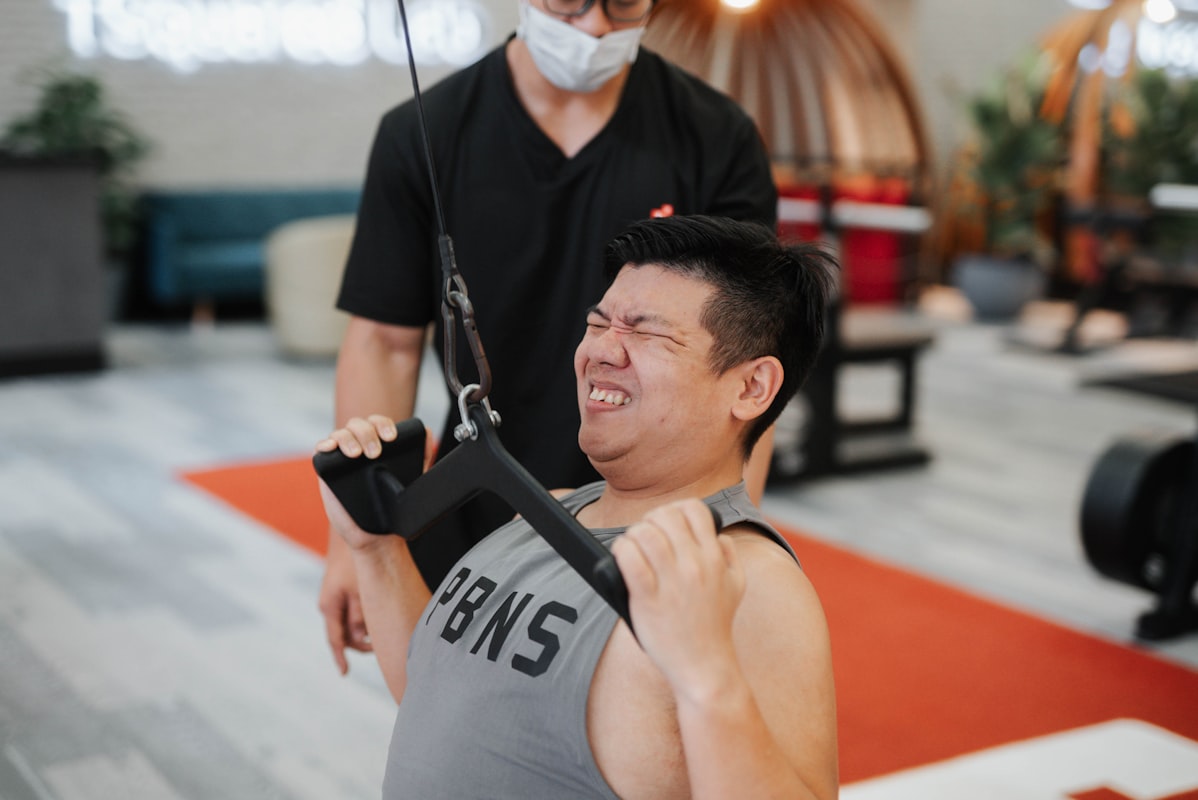
Core Features of Our Programme
Each element is designed to address the specific needs of mature men seeking safe, effective recovery and strength maintenance.
Low-Impact Design
All exercises minimise stress on joints, ligaments, and connective tissue. Perfect for men managing arthritis, previous injuries, or general wear-and-tear. You'll build strength without unnecessary strain.
Progressive Overload
We build sustainable strength gains by gradually increasing intensity and volume. Clear progressions help you stay motivated and see tangible improvement week after week.
Functional Movement
Every exercise translates to real-world benefits: easier stair climbing, better balance, improved posture, and greater independence in daily life. Not just gym strength.
Detailed Guidance & Form Cues
Comprehensive written instructions and form tips for every exercise. We emphasise proper technique over speed or heavy weight—injury prevention is built into every routine.
Recovery-Focused Mindset
We include mobility work, stretching protocols, and recovery strategies. Strength isn't just about resistance training—it's about moving well, sleeping better, and managing fatigue wisely.
UK-Specific Resources
All advice references NHS guidelines, British fitness standards, and UK health systems. Our content respects the needs and healthcare landscape of mature men across the United Kingdom.
Your 4-Week Recovery Journey
Here's how we structure your progression to build confidence, strength, and sustainable habits.
Week 1: Foundation & Movement Assessment
Begin with gentle mobility work and basic movement patterns. We assess your current range of motion, identify any asymmetries or movement restrictions, and establish safe starting points. Three sessions of 20–25 minutes, focusing on quality movement and learning proper form. You'll also complete a brief lifestyle assessment to understand your recovery context.
Week 2: Activation & Stability Building
Introduce bodyweight resistance and isometric holds to awaken dormant muscles. We focus on core stability, glute activation, and shoulder health—the foundation for all future strength. Three 25–30 minute sessions combine movement prep, targeted activation circuits, and cool-down stretching. You should feel noticeably more aware of your body's alignment.
Week 3: Progressive Resistance & Movement Integration
Build on your foundation with light resistance bands or light dumbbells. Exercises now involve full-body movement patterns: squats, rows, presses, and carries. Three 30–35 minute sessions combine warm-up, resistance work, and mobility. You'll notice improved grip strength, standing stability, and overall movement confidence. Recovery protocols are emphasised—sleep, nutrition awareness, and active rest.
Week 4: Consolidation & Sustainable Programming
Combine what you've learned into a balanced weekly routine you can maintain long-term. Three 35–40 minute sessions blend strength, mobility, and functional movement. We introduce progression strategies—how to add reps, increase resistance, or modify exercises as you grow stronger. You'll also receive guidance on transitioning to independent training and how to incorporate these principles into daily life.

Expert Guidance for Your Mature Body
Our content is informed by physiotherapy principles, sports science research, and years of working with mature men. We understand that recovery at 50, 60, or 70 is different from recovery at 25. Your joints take longer to warm up. Your central nervous system recovers slower. Hormonal changes affect muscle-building capacity. Existing medical conditions need careful consideration.
That's why every exercise in our programme includes clear form cues, common mistakes to avoid, and modification options. We also address the mental side—building confidence, managing frustration, and celebrating the small wins that keep you motivated.
Injury Prevention First: Every exercise is designed to build resilience, not stress your body. We work within your comfortable range and teach you to listen to pain signals.
Realistic Timelines: Muscle building and strength gains take time at your stage of life. We set achievable milestones and explain why patience compounds your results.
Holistic Recovery: Strength training is only part of the puzzle. We discuss sleep quality, nutrition timing, stress management, and how these amplify your physical gains.
Accessibility: No fancy gym equipment required. Most routines use bodyweight, resistance bands, or dumbbells you can buy anywhere. Workouts fit into your busy life—no 90-minute sessions.
Why Our Approach Stands Apart
Many recovery programmes exist. Here's what makes our content different.
Our Approach
- Tailored for men 50+ specifically
- Progressive 4-week structure with clear milestones
- Recovery and injury prevention built in
- Minimal equipment (bodyweight, bands, light weights)
- Evidence-based, referencing NHS and UK fitness standards
- Detailed form cues and modification options
Generic Fitness Programmes
- One-size-fits-all design; ignore age-related needs
- Often lack progression structure or clear end goal
- Focus on intensity and speed over safety
- Assume access to full gym facilities
- May conflict with health conditions or medical advice
- Minimal guidance on form or how to adapt
Common Recovery Questions Answered
Find answers to what mature men often ask about starting a recovery programme.
Our programme is designed for home training. Most exercises use bodyweight, resistance bands, or light dumbbells. A few exercises benefit from a sturdy bench or chair, but these are optional. If you prefer the gym environment or have access to one, our routines translate easily to traditional equipment. The key is consistency and proper form—location matters far less than showing up regularly.
We recommend three sessions per week, 20–40 minutes per session, depending on which week of the 4-week programme you're on. That's roughly 60–120 minutes of focused training weekly. This leaves ample recovery time between sessions, which is crucial at your stage of life. On non-training days, light activity like walking or stretching complements the work without causing fatigue.
Many of our clients manage arthritis or chronic conditions. Our low-impact approach is designed for this context. However, every person is different. We strongly advise consulting your GP or physiotherapist before starting, especially if you have diagnosed joint conditions or ongoing pain. Once cleared, our exercise modifications and progressive structure help you build strength around affected areas without aggravating them.
Results vary, but many people notice improved movement quality and reduced soreness within 2–3 weeks. Visible strength gains and noticeable muscle development typically take 8–12 weeks of consistent training. The most important early result is confidence—realising your body is responsive and capable. This mental shift often arrives within the first 4 weeks and motivates continued effort.
Mild muscle soreness in the first 1–2 weeks is normal as your body adapts. This is different from pain—which signals a potential injury. If soreness is severe or pain develops, take an extra rest day and review your form. Our content includes guidance on distinguishing good soreness from problematic pain. Sleep more, hydrate well, and consider gentle mobility work on rest days. Listen to your body; this is not a "no pain, no gain" programme.
Absolutely. Our programme complements other activities like cycling, swimming, golf, or walking. If you're already active, our recovery exercises fill gaps in your fitness—particularly mobility, core stability, and injury prevention. Simply monitor total weekly volume to avoid overtraining. Combine light activities (walking) on non-training days, and ensure adequate sleep and nutrition to support both your recovery work and other pursuits.
Stories from Recovered Athletes and Active Men
Hear from mature men who've used our recovery exercises to regain strength and confidence.
"After a shoulder injury three years ago, I thought my cycling days were over. These exercises gave me a structured way to rebuild confidence in that joint. The progression was perfect—not rushed, but steady. Within eight weeks I was back on longer rides. The key was the detailed form guidance; I learned exactly what I'd been doing wrong."
— Michael, 58, Edinburgh
Cyclist, recovering from rotator cuff injury
"I've tried many online programs, but this one stands out because it treats strength training and mobility as equally important. My posture improved noticeably within two weeks. The video demonstrations are crystal clear, and the progression from beginner to intermediate kept me challenged without overwhelming me."
— Sarah, 42, Manchester
Office worker, improved posture and core strength
Frequently Asked Questions
Find answers to common questions about Tone & Strength Flow
Ready to Build Strength & Flexibility?
Join thousands of members transforming their bodies and confidence with Tone & Strength Flow. Start your journey today.
No credit card required • Cancel anytime • 30-day money-back guarantee